Space Dodger
A side-scrolling arcade game where you weave through asteroids.
CodeNext is a youth initiative teaching coding, engineering, and cybersecurity to elementary and middle school students, through hands-on projects they actually want to build.
Our mission
We believe every kid should have the chance to understand the technology they use every day, not just use it. CodeNext makes computer science feel approachable and hands-on, whether a student is writing their first line of code or already has something they want to build. No prior experience needed.
Curriculum designed specifically for ages 5–13, paced to keep curiosity high.
Small groups and mentors so every student gets real attention.
Every term ends with a project the student is proud to show off.
Impact
CodeNext started in January 2025 as a small group of students teaching students. Since then, we have been growing and expanding our mission across a variety of places and communities.
4
Countries reached
2
Summer cohorts
One each summer since launch
50+
Certificates awarded
300+
Students reached
From a Beginner session
Live over video call, mentor-led, and hands-on from the first lesson. This one is from the Beginner pathway.
Beginner pathwayprint("*" * 5) # *****
print("ab" * 3) # abababPut it in a loop to make shapes.
for i in range(1, 6):
    print("*" * i)
Output:
*
**
***
****
*****
You can put an if statement inside a loop. Notice the two levels of indentation.
for i in range(1, 11):
    if i % 2 == 0:
        print(i, "is even")
    else:
print(i, "is odd")Output
Code execution successful
What students learn
Block coding first, then real Python. From if statements to loops, and learning logic along the way.
Strong passwords, spotting scams and how the internet actually keeps information safe.
Circuits, Arduino, and an introduction to robotics with coding.
Breaking big problems into small steps, and treating every bug as a clue.
Open-ended projects where students have the flexibility to design their end creation.
We want kids to leave motivated to pursue their own projects and interests.
Student work
Every term ends with a project the student is proud to show off. Here are a few of them.
A side-scrolling arcade game where you weave through asteroids.
An Arduino robot that follows a track using sensors.
Pathways
For parents
Not just a certificate. A finished thing they made, and the habits that got them there.
Finishing a real project (a game, an app, a robot) shows kids that hard work truly pays off.
Debugging teaches patience and logic, so kids learn that mistakes are just clues, not dead ends.
Open-ended projects give kids a place to be creative and then make it a reality.
Kids learn how technology actually works, and it helps them be thoughtful about it.
The team
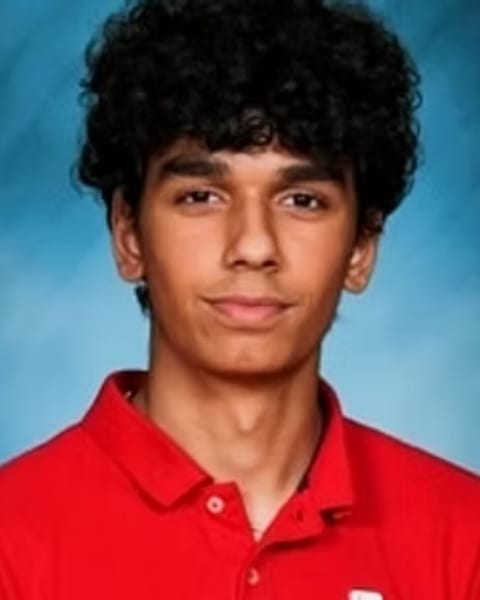
Founder & Lead
Tanush Kandpal is a senior at Edison High School with a focus on computer science and machine learning. He has taken every computer science course offered at his school and built on that through personal projects, internships, and events that put code to work across different fields. Through CodeNext, he is motivated to spread computer science learning to every grade level and make it more accessible.
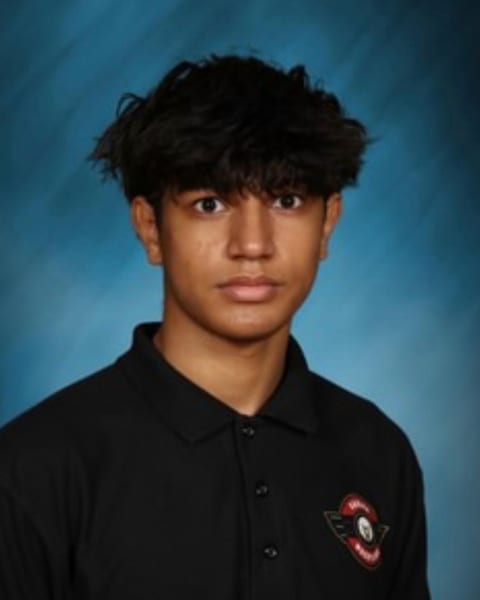
Co-Lead & Outreach Lead
Wijdaan Ashraf is a senior at Edison High School with a passion for computer science and experience in outreach work. He has led fundraising for mosques including Masjid Al Wali and serves as outreach captain, connecting CodeNext with new students, schools, and communities.
FAQ
CodeNext is built specifically for elementary and middle school students, roughly ages 5 through 13, grades K through 8. Every pathway is paced and worded for these age groups.
Not at all. The Beginner Pathway assumes zero experience and starts with playful, visual coding. Students move up only when they're ready to.
A laptop, desktop, or Chromebook with internet is all most pathways need. For engineering and Arduino, we use online simulations so no special hardware is required to begin.
As a youth initiative, we keep programs free or low-cost and offer scholarships so cost is never a barrier. Reach out and we'll find an option that works for your family.
Yes. Partnering with schools, libraries, and community centers is at the heart of what we do. Visit Get Involved to start a conversation about bringing CodeNext to your students.
Absolutely. Sessions are mentor-led, screen time is structured, and online safety is built into everything we teach.
Enroll a student, or reach out about running a program at your school, library, or community center.